Reflections on Creative Practice
Sign up for my monthly newsletter to be notified when the next listing for this series is live.
A series of six two-hour guided writing sessions lead by Ennis Welbourne, with personal examples from their creative practice, time for private reflection and sharing ideas as a group.
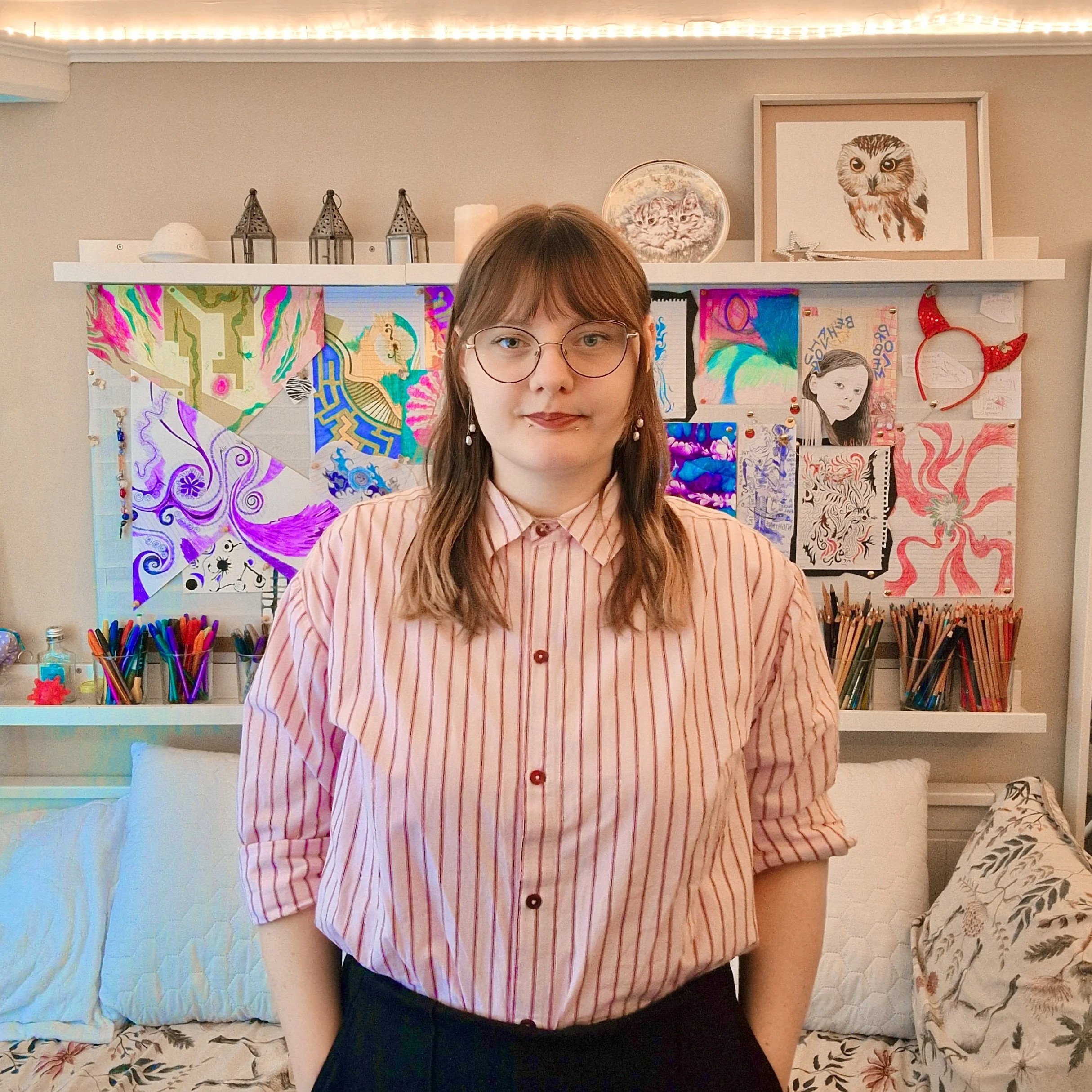
My name is Ennis, I am a writer and artist living in Bristol, UK. I have been leading and facilitating writing spaces for the last five years. In that time, I have found that maintaining a regular practice is a common challenge among writers. My desire is to lead writing groups that allow space to reflect on process so more of us are able to transform our ideas into creative work and benefit from a regular writing practice.
In each session I’ll share three examples, explain my process and use an image or object to illustrate the main concept. I share about writing, collaging, doodling, organising, sewing, and crafting. My hope is that listening to my examples inspires interesting discussion and personal reflection. In combination with group discussion time to share our ideas, we also have time to reflect privately during the exercise time. This can take form in whatever medium we choose – for example, writing, drawing, moving, or thinking deeply. This time can be completely self-directed or guided by a selection of prompt questions.
Who Is This For?
Those who are new to writing and may not identify as a writer with confidence. Who are looking for a space to practice sharing, as we attempt to find the words that illustrate something about our creativity that may not have been uttered before. We might feel nervous or excited, or a blend of both! This is a space to grow our sense of creative identity.
Those who have been attempting to establish a regular writing practice for years and need some dedicated time to reflect on the journey so far. We might have already experienced periods of maintaining a regular writing practice, but find this falls away without the external influence of a deadline or writing group. This is a space to reflect on our creative needs and imagine next steps towards meeting them.
Those who have struggled to attend writing groups in past. In order to participate, we might need a space without mandatory activities to uphold our sense of agency. We may have experienced writing spaces where a hierarchy based on differences in publication or education influences the group dynamics. This is a space intended for peers to come together in community and reflect as equals.
Those who transform lived experience into artistic expression. Bringing into being a piece of writing can help us grow in strength with what we think, feel and know. We may use writing to re-shape the narratives given to us and use our creative voice to reclaim power and meaning. Doing what we love and what helps us survive can provide purpose and energy to fuel our creative practice. This is a space to bring parts of story we sometimes leave behind.
Session 1 | Starting with Fragments
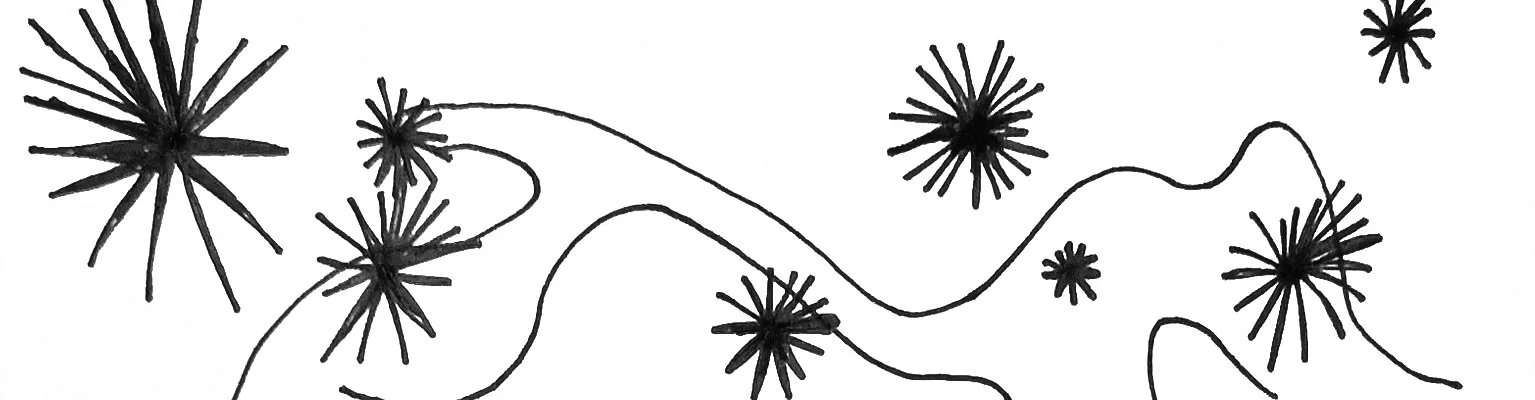
As we gather ideas together for new work, we may start out with varied styles of note taking, multiple projects to draw from, or be engaged with other creative activities that don’t seem obviously connected to writing. This fragmented expression can be a viable way to progress towards our creative goals. Allowing ourselves to produce non-standard notes and take unfamiliar pathways through form can help strengthen our ability to follow new ideas. When breaks are needed for emotional or critical processing of our work, we might alternate between projects or activities that don’t involve writing to help sustain our relationship with creativity.

Session 2 | Practicing Creative Movement
When we feel stuck repeating fears about a project or our craft itself, it can help to see these fears as but one of a range of facts, thoughts and feelings we have around our writing. Once we have given these fears time to be felt and heard, we can try to move towards alternative perspectives that may be neutral or joyful. Practicing this non-hierarchical shifting through experience can increase our ability to choose how we spend our creative time. By utilising the power of our imagination, we can attempt to see beyond limitations of perspective and dream a creative future into being.
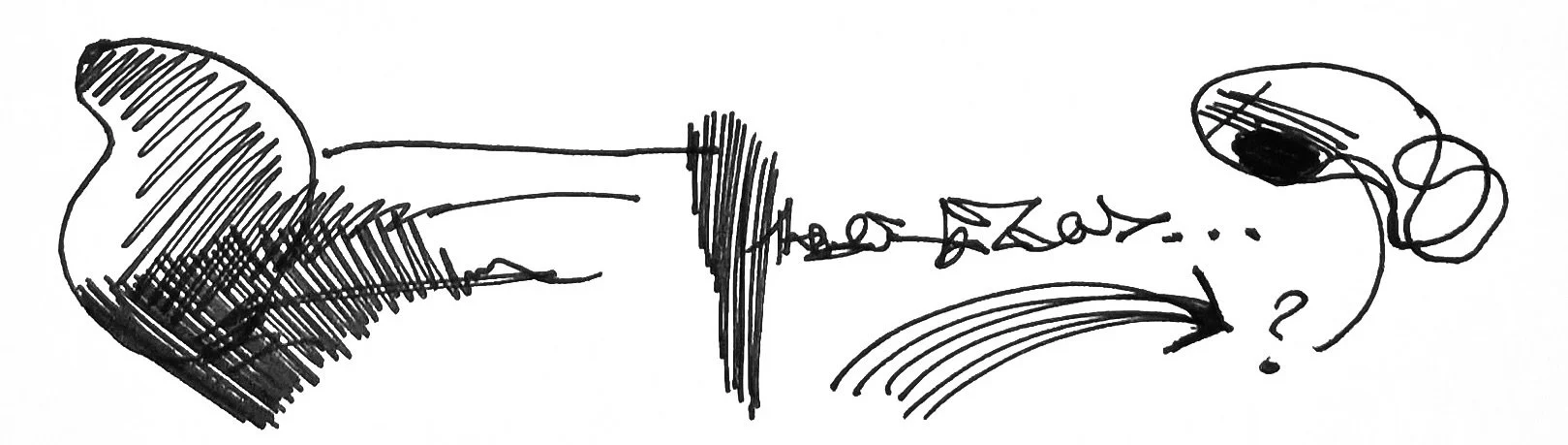
Making a mistake in our creative work can have a disruptive impact on regular writing practice. When we struggle to find compassion for ourselves in these moments, it can be useful to re-frame errors to see their potential for beneficial outcomes. Allowing an unintentional result to integrate with our original idea can take a project down new and interesting paths. When used as a reflective tool, mistakes may provide valuable information about where we want to direct our work next. In order to release a project from cycling through improvements, we may need to find a way to accept imperfection.
Session 3 | Valuing the Mistake
Session 4 | Crafting a Solution
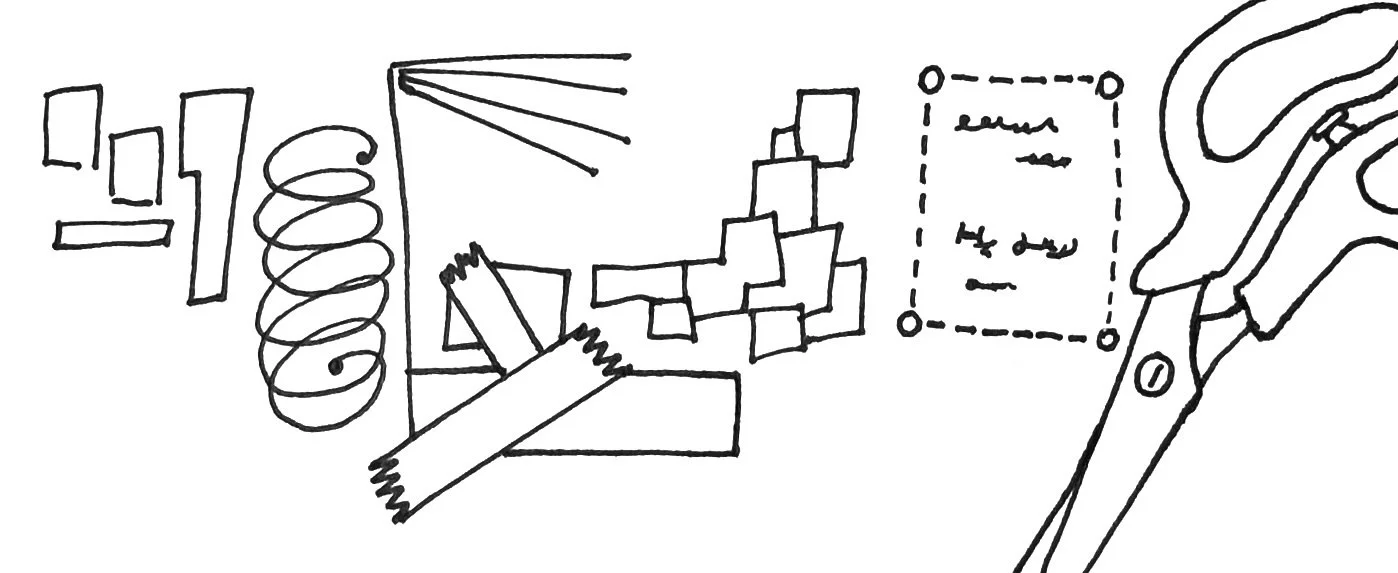
A crafty solution can be needed when we’re experiencing practical barriers to interacting with our craft. How we store paper notes may require an adaptable system designed to match the flow of a project. This can involve working with the delights of cardboard, tape, string and plastic wallets! Financial barriers to accessing creative resources can be a condition shaping our practice. We may need to find ways to express within material limitations and use this to direct our style. When our creative desires and interests impact the look and feel of our writing area, this can help uplift and energise our practice.
Session 5 | Organising Our Time
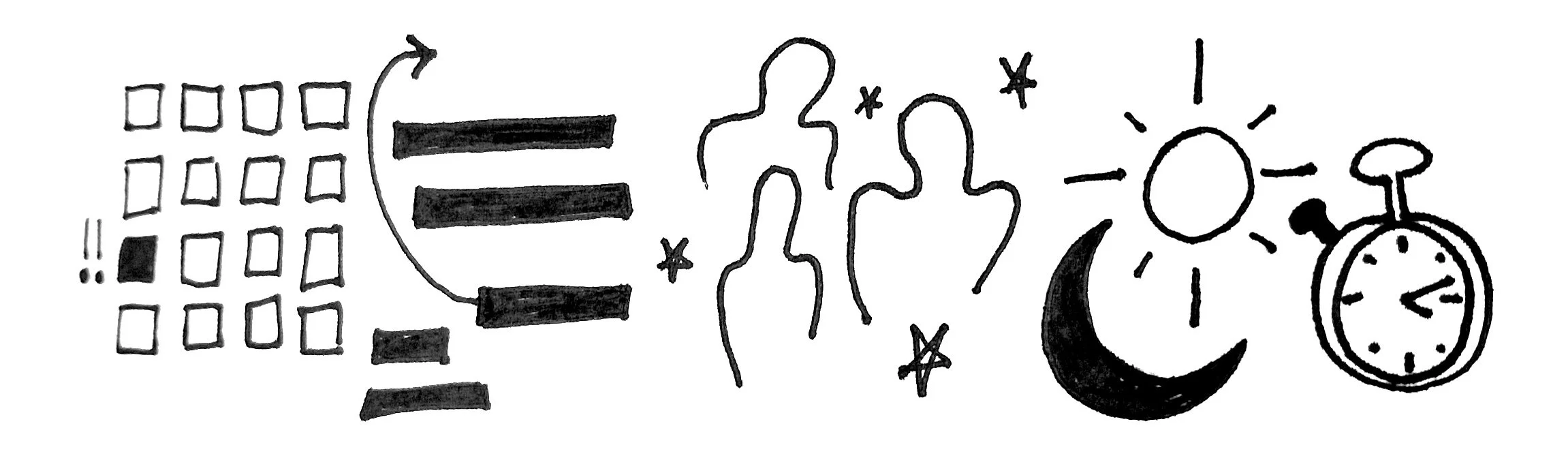
Finding the time to maintain regular practice can be a challenge. We might schedule personal creative sessions or utilise deadlines to motivate us towards a goal. We may need to take stock of the competing demands on our time, consider what feelings come up when we can’t write as frequently as we wish, and ponder on how we can reclaim our time for creativity. Seeing an upcoming group session in the diary can ease our worries about going long stretches without writing. It can feel easier to jump back in when working alongside others keeps our inspiration ignited.
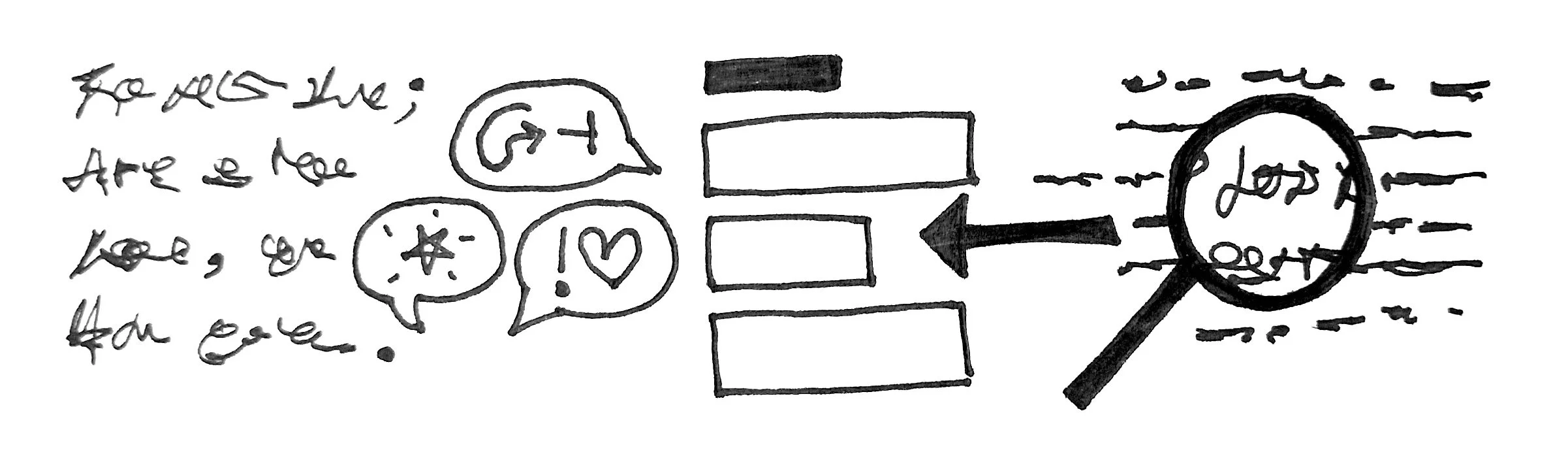
An outside perspective on our work can help resolve questions we have about our project. We might like to know how others experience our work and gain direction on where to focus our edits. Being able to communicate ahead of time what areas we would like feedback on, as well as the types of observations we don’t want, can build a safer environment for critique. Thinking about giving feedback as we read the work of others means finding the words to describe what we felt, noticed, and imagined. We can then apply this knowledge drawn from our interpretations and insight to improve our own craft.
Session 6 | Sharing Meaningful Feedback
Schedule
15 min Intro and Check-in
40 min Exercise One and Two
15 min Break
15 min Group Discussion
20 min Exercise Three
15 min Check-out
Participation
All session activities are optional – for example, there is no requirement to use the prompt materials or share during group discussion. Our group check-ins and discussion rely on volunteer sharing, rather than calling on participants individually. I will let pauses sit in the room to allow space for those who wish to share and require a moment to gather their thoughts first.
As we reflect on our creative journeys, we can touch on strong feelings and past experiences. You are welcome to speak to our wellbeing support staff member at any point during our session to assist with these moments. As the sessions progress, you may discover where your areas of comfort and discomfort are around attending the space. You are invited to provide feedback on how we can adapt the space to meet your participation needs.
These sessions will not be recorded in order to cultivate a sense of privacy and safety within the group. Having our cameras turned on is preferred, but not compulsory, to aid feelings of transparency around who is attending. If you are unable to attend a session, please do get in touch. The series is designed to work as both stand alone sessions and a series, so you are welcome to return to the group after absence.
Suitable for all experience levels. Open to those aged 18+. Maximum group size of twelve. If you have any access needs you would like to share ahead of time, please email me at enniswelbourne@gmail.com
About Ennis
My name is Ennis Welbourne and I use they/them pronouns. I’m a writer and artist from Bristol, UK. I lead and facilitate spaces for writers and creatives under the banner Access Narrative. I have ran over 175 sessions for writers over the last five years.
I offer a twice monthly online group called Parallel Writing Club, co-lead the Writers’ Circle with Katie Watson, facilitate the Writing the Self programmes, and lead a series of guided writing workshops called Reflections on Creative Practice.
To improve my skills with designing and facilitating safer creative spaces for survivors of child sexual abuse, I completed a 3-month creative leadership training programme with the Viv Gordon Company.
I am a Survivor of sexual, physical, emotional and neglectful child abuse. I use my lived experience to develop more accessible community for those who are non-conforming, disabled, poor and who have experienced abuse.
I hold a first-class degree in creative writing from Bath Spa University. I have been published in three anthologies; ‘Queer Life, Queer Love 3’, ‘You Are Here, a collection of survivor writing’, and ‘Transcribed An Anthology of Trans Writing’.
You can find out more about me by visiting my website, enniswelbourne.com